Carthage-Sidi Bou Saïd –Bardo Museum-Tunis (Medina):
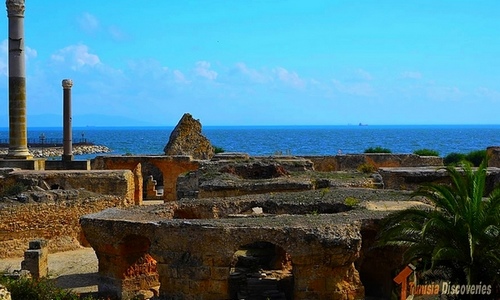
Pick up from your hotel of stay .We'll begin by visiting Carthage a UNESCO World Heritage Site. Founded by a Phoenician princess in 814 BC, it became the capital of the great Carthaginian Empire. Its strategic location as a gateway to the Western Mediterranean as well as its position as one of the area's few large metropolises meant that Carthage's rule determined the destiny of the world. There will be visits to the Byrsa Hill with its vestiges of Carthaginian and Roman buildings.
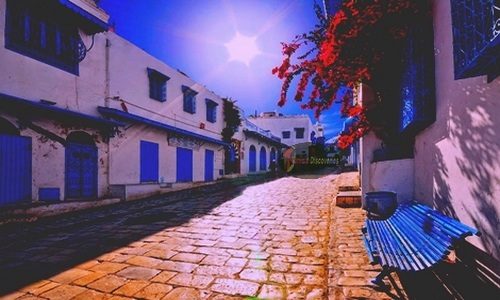
Next we continue to the Punic ports, including the Salammbo Tophet, where urns containing the ashes and milk teeth of 8th century BC children have been unearthed, and the Antonine Baths, a huge Roman bath complex on the edge of the Mediterranean. Departure to visit the picturesque Andalusian village Sidi Bou Said. It is a delightful place for a leisurely stroll through its winding cobbled streets and souks. Its trademark white walls, contrasting sky blue doors and ornate window grids make for wonderful photography.
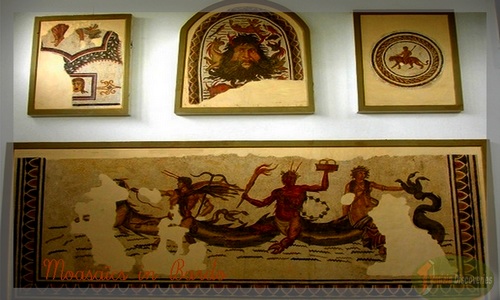
After lunch, continue to visit the Bardo (*) Museum. This is Tunisia’s National Museum and the repository of the country’s rich archaeological collections, including the world’s largest collection of Roman polychrome mosaics.Continue to the medina, Tunis's historic heart, a UNESCO World Heritage Site, you will stroll through the winding Medina’s streets, with its souk (door-to-door shops selling all types of local curiosities) one of the world’s great marketplaces and retrace its remarkable wealthy past. End of the tour, transfer back to your hotel of stay.
(*) On Monday's (closing day of this Museum) , the visit of Bardo will be replaced by the visit of Carthage Museum.



 HOME
HOME